































BASSETERRE, St. Kitts, CMC – The Organization of Eastern Caribbean States (OECS) Commission will hand over the Royal Basseterre Valley Arboretum to the St. Kitts and Nevis government on Saturday.
An arboretum is a “living museum” or specialized botanical garden focused on cultivating, studying, and displaying various species of trees and woody plants. Often used for education, research, and conservation, these sites typically feature labeled specimens and are landscaped for
The event will take place under the European Union-funded Integrated Landscape Management (ILM) Project, which Sustainable Development, Environment, Climate Action, and Constituency Empowerment Minister, Dr. Joyelle Clarke, describes as a critical milestone in strengthening sustainable land use and environmental resilience.
The `ILM project aims to strengthen sustainable land use across the Eastern Caribbean and is designed to optimize existing landscapes so that member states can improve their natural resource management and climate resilience.
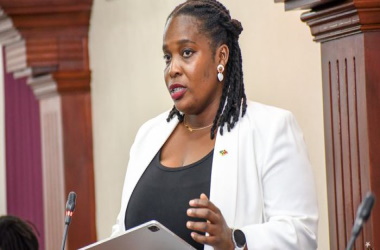
“Our ministry’s focus for the Royal Basseterre Valley has always been on holistic landscaping that supports the interconnectedness of agriculture, water, nature, and the environment at large,” said Dr. Clarke.
In addition to the arboretum handover, the government said it has secured US$200,000 in grant financing from the Inter-American Development Bank (IDB) through the Compete Caribbean Program to support environmental management initiatives.
“These resources, these monies, will be directed towards the full operationalization of the National Conservation and Environmental Management Act, NCEMA, which we debated and passed successfully last year in this honorable house,” said Dr. Clarke.
“Because of NCEMA, we have modernized and can modernize the way our Federation can treat, interact with, and carry out environmental management, protection, and conservation. This grant will allow us to move from legislation from written words to actual material delivery more decisively.
“We will now be better able to equip our institutions and ensure the enforcement of NCEMA through key elements, such as the establishment of our National Environmental Council, targeted capacity building, and hands-on support for micro, small, and medium enterprises, and the integration of institutional and private sector reforms in alignment with international climate action and environmental obligations,” she added.
Clarke said that the government would continue to leverage international partnerships to advance the Federation’s environmental agenda and sustainable development goals.






 and then
  Commission will hand over the Royal Basseterre Valley Arboretum to the St. Kitts and Nevis government on Saturday)