







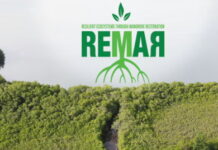
























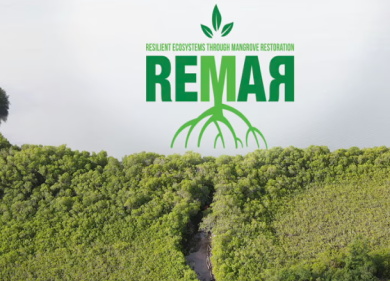
CASTRIES, St. Lucia, CMC – The Organization of Eastern Caribbean States (OECS) Commission has launched the Resilient Ecosystems through Mangrove Restoration (REMAR) project, describing the million-dollar initiative as a strategic investment in people, ecosystems, and regional cooperation.
The Commission said the five-year project, valued at Euro5.5 million (One Euro = 1.29 cents), represents a major investment in climate resilience, biodiversity conservation, and sustainable livelihoods across the Eastern Caribbean. It has been launched with support from the Agence Française de Développement (AFD) and the French Facility for Global Environment (FFEM).
It will support mangrove restoration and long-term ecosystem management across five OECS territories: Grenada, St. Lucia, St. Vincent and the Grenadines, Martinique, and Guadeloupe.
Mangroves are among the most valuable coastal ecosystems in the Caribbean. They help protect shorelines from erosion and storm surges, support fisheries and biodiversity, improve water quality, and capture significant amounts of carbon from the atmosphere, thereby mitigating climate change.
However, across the region, mangrove habitats continue to face increasing threats from unsustainable human activity, climate change, hurricanes, flooding, and the growing impacts of sargassum inundation.
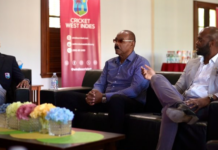
OECS Director General, Dr. Didacus Jules, speaking at the launch, described the project as a strategic investment in people, ecosystems, and regional cooperation.
“Protecting and restoring mangroves is not simply an environmental choice; it is a development imperative. REMAR is one such model. A model that brings together regional cooperation, local ownership, and strategic partnerships.
“ A model that allows us to learn, adapt, and scale. And a model that positions the OECS not only as a beneficiary of support, but as a driver of solutions,” said Jules, noting that the initiative reflects the OECS vision of improving the quality of life of its people through collective action and meaningful development cooperation.
Deputy Head of Mission at the Embassy of France to the Eastern Caribbean States, Barbados, and the OECS: Domenico Ditaranto reaffirmed Paris’ commitment to sustainable development and regional cooperation in the Caribbean.
“REMAR is a very iconic project because it embodies regional cooperation that is highly relevant for the Caribbean. It shows the commitment of France and the value of working together to respond to shared challenges.”
The REMAR Project is built around three strategic pillars, namely community-based restoration of degraded mangrove sites; improved scientific knowledge and data-sharing on mangrove ecosystems; and strengthened institutional capacity for ecosystem management and conservation.
At the regional level, the OECS Commission will coordinate implementation, facilitate knowledge exchange, and support the creation of a regional mangrove and swamp forest network.
At the local level, site managers and community stakeholders will lead restoration planning and implementation based on ecological and socio-economic assessments tailored to each territory.
The OECS Commission said the project is expected to generate long-term environmental, social, and economic benefits, including healthier coastal ecosystems, enhanced livelihoods, stronger community stewardship, and improved regional policy coordination for mangrove protection.









 and then
  Commission has launched the Resilient Ecosystems through Mangrove Restoration (REMAR))