














BRIDGETOWN, Barbados, CMC – Efforts are underway to advance inclusive hiring practices across Barbados and the Eastern Caribbean. The United Nations, in collaboration with regional Organizations of Persons with Disabilities (OPDs), recently convened a webinar that reaffirmed their joint commitment to cultivating workplaces that champion diversity, accessibility, and equal opportunity.
By helping countries to move beyond compliance to creating environments where all individuals can meaningfully contribute, the UN and partners aim to unlock human potential and strengthen the resilience of Caribbean societies.
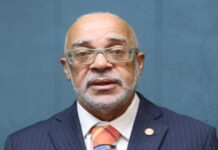
Delivering opening remarks, the UN’s Resident Coordinator for Barbados and the Eastern Caribbean and Representative of the International Organization for Migration (IOM), Patrice Quesada, highlighted the transformative role of employment in fostering social inclusion and building resilient communities.
“Employment can foster social inclusion… providing people with dignity, with independence, and this most important feeling of belonging. Inclusive hiring cannot just be a tick box or a compliance process. It’s really about creating the environment that values diversity, because that’s the only way to unlock that potential,” he said.
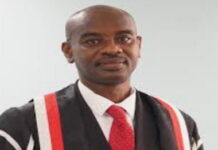
Jeneil Odle, a Barbadian Attorney-at-Law and member of the Barbados Council for the Disabled (BCD), in drawing on her lived experiences, highlighted areas where support for persons with disabilities could be enhanced, including the expansion of special needs schools beyond the primary level, greater access to assistive devices in schools, and improved capacity of teachers. She also addressed the misconception that persons with disabilities lack the required ability to work and are a liability in the workplace.
“What we really need in the Caribbean is more awareness, for persons who have hired persons with disabilities to speak about their experiences and how persons with disabilities have changed the landscape of their workplaces. Inclusion is not charity – it is good for business; it’s good for governance, and it’s good for the entire society. When we promote inclusive communication, inclusive education, and inclusive hiring practices, we move from tokenism and symbolic contribution to measurable change and progress,” she asserted.
Judy Sango, a Freelance Writer and President of the Dominica Association of Persons with Disabilities (DAPD), also alluded to the prevalent misconception that disability automatically means inability. She urged employers to shift from a charity mindset to a value-based one, recognizing that people with disabilities bring problem-solving, resilience, creativity, and reliability to the workplace.
“Inclusion doesn’t happen by accident. It takes intentional listening, planning, and intentional partnerships between youth, communities, educators, and employers. When we create environments that acknowledge differences and remove barriers, we build a Caribbean where young people with disabilities can learn, work, and thrive with dignity, ” she added.
Also addressing the forum, Michelle Brathwaite, Regional Coordinator for the English-Speaking Caribbean Office of the United Nations High Commissioner for Human Rights (OHCHR), noted that barriers faced by persons with disabilities across the region stemmed largely from outdated or absent legislation, limited data, and under-resourced support systems. In her presentation on Inclusive Communication, Yeonghyeon Kim, Social Inclusion Officer at the UNESCO Regional Office for the Caribbean, further emphasized that ensuring equal access to information, beginning with well-designed, accessible job announcements, enables organizations to respect diverse needs and attract broader talent pools.
Meanwhile, Stefan Tromelo, Senior Disability Specialist at ILO Geneva, also challenged the societal misconceptions regarding employment and disability. He charged: “We want to change the mindset of society that persons with disabilities cannot work on an equal basis with others and their only option is to find their livelihoods in the informal economy. The ILO challenges this and aims to ensure that formal, decent employment is an option for persons with disabilities.”




 and then