



































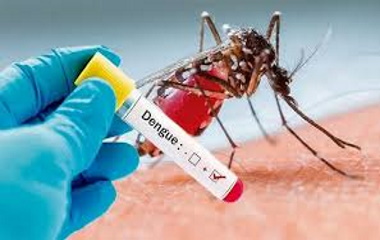
WASHINGTON, CMC – The Pan American Health Organization (PAHO) is urging countries in the Americas, including the Caribbean, to continue efforts to address the spread of dengue. In its latest epidemiological update on dengue in the Americas, PAHO said countries should remain vigilant for potential changes in the epidemiological situation.
It said that in 2025, a total of 4,459,521 suspected dengue cases and 1,682,588 confirmed cases were reported across the region, of which 8,966 were classified as severe dengue and 2,207 deaths were recorded, with a case fatality rate of 0.05 per cent.
PAHO said these figures represent a 66 per cent decrease in cases and a 74 per cent reduction in deaths compared with 2024, a year that saw a record high of over 13 million cases.
It said that the situation varies by subregion, and last year, the Southern Cone reported the highest number of cases, although this represented a 65 percent decrease compared with 2024.
By contrast, PAHO said the Caribbean recorded a seven per cent increase over the previous year and more than double the average reported between 2019 and 2023.
It said that the Andean, Central America, and Mexico subregions reported declines compared with 2024.
PAHO said that, as of the end of January this year, 122,090 cases have been reported across the Americas, including 22,409 laboratory-confirmed cases, 242 severe dengue cases, and 6 deaths.
It said these figures represent an 83 percent decrease in cases and a 98 per cent reduction in deaths compared with the same period in 2025.
PAHO is recommending that countries strengthen their integrated surveillance, epidemiological, clinical, laboratory, and entomological, as well as integrated vector control in high-risk areas, including health facilities, early clinical diagnosis, and monitoring of warning signs such as severe abdominal pain, persistent vomiting, mucosal bleeding, and lethargy “to support timely case management and avoid overburdening hospitals.”
PAHO is also urging Caribbean and other countries to adapt their health services as needed “to ensure timely and quality care, prioritize virological testing for case confirmation, and maintain clear laboratory protocols to allow for early detection”.









 and then
  is urging countries in the Americas, including the Caribbean, to continue efforts to address the spread)