





































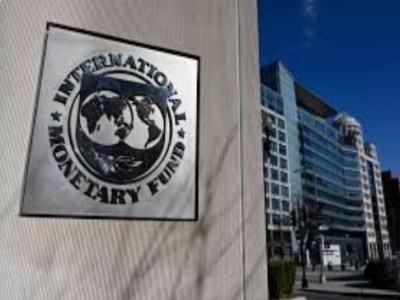
WASHINGTON, CMC – The executive directors of the International Monetary Fund (IMF) have welcomed Antigua and Barbuda’s continued economic expansion, supported by construction activity and resilient tourism, alongside a welcome moderation of inflation.
While noting the downside risks from the war in the Middle East and the country’s long-standing debt challenges, they have called on the Gaston Browne administration to implement additional reforms to restore debt sustainability and strengthen potential growth and climate resilience.
“Tailored and well-sequenced capacity development by the Fund remains important given the country’s capacity constraints,” they said in a statement after holding bilateral discussions under Article IV.
The IMF had earlier noted that Antigua and Barbuda’s economic expansion continued, with real gross domestic product (GDP) growing by an estimated 3 percent last year, supported by a pick-up in construction despite slowing tourism activity.
The Washington-based financial institution said that employment has gradually recovered to pre-pandemic levels. Inflation moderated from over 6 percent (year-average) in 2024 to 1.4 percent in 2025.
Public debt as a share of GDP declined from 101 percent of GDP in 2020 to an estimated 68 percent in 2025, aided by an improved fiscal position. However, arrears to Paris Club creditors and domestic suppliers are significant, and gross financing needs are elevated. The fiscal position strengthened in 2024–25, reflecting both improved tax collection and one-off factors.
The 2025 primary balance is estimated at nearly 5 percent of GDP, underpinned by higher tax revenues, stronger inflows under the Citizenship-by-Investment Program (CBI), restraint in current spending, and a modest increase in capital spending, the IMF said.
It said that a steady economic expansion is projected to continue, but risks are tilted to the downside amid heightened global uncertainty. Downside risks stem externally from commodity price volatility and a slowdown in major trading partners, and domestically from capacity constraints weighing on growth.
Following its review, the executive directors welcomed the decline in public debt as a share of GDP. They noted that persistent arrears and elevated gross financing needs are constraining access to longer-term financing and undermining debt sustainability, urging the authorities to develop and implement a credible, comprehensive strategy to address all arrears, broaden financing options, and create space for resilience-building investments.
They also noted the need to continue strengthening cash and debt management to prevent future arrears. They said to build on recent gains, they have recommended broadening the tax base, curtailing exemptions, restraining current expenditures, and strengthening the targeting of social assistance.
The IMF executive directors also encouraged the authorities to continue efforts to strengthen fiscal institutions and enhance fiscal oversight, transparency, and reporting of fiscal and public enterprise data.
They also said they recognized the regional and national efforts to strengthen financial sector oversight, resilience, and intermediation.
For credit unions, they encouraged a shift to risk-based supervision and efforts to bolster provisioning and capital positions. Continued efforts to strengthen financial deepening and the Anti-Money Laundering and Combating the Financing of Terrorism (AML/CFT) and CBI frameworks remain important.
The IMF is encouraging further efforts to enhance connectivity to support trade, tourism, and competitiveness. It also recommended streamlining port and customs procedures, carefully prioritizing and sequencing infrastructure projects, and addressing skills shortages.







 and then
  have welcomed Antigua and Barbuda’s continued economic expansion, supported)