




























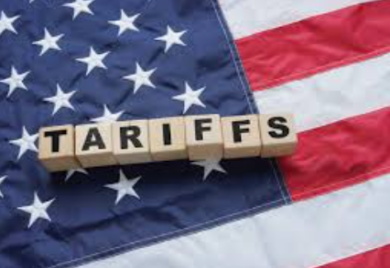
NEW YORK, CMC – New York Attorney General Letitia James is among a coalition of 17 attorneys general urging the United States Congress to pass legislation that would require the Donald Trump administration to provide swift refunds due to what they described as “Trump’s illegal tariffs”.
They said that tariffs had resulted in higher costs for local and overseas businesses and consumers, including in the Caribbean.
On February 20, the US Supreme Court ruled in favour of the coalition, striking down tariffs imposed by the Trump administration under the International Emergency Economic Powers Act (IEEPA).
James told the Caribbean Media Corporation (CMC) that businesses and individuals nationwide and overseas have been charged about US$166 billion in “unlawful IEEPA tariffs, which resulted in higher prices that disproportionately strained low-income consumers’ finances”.
She said the coalition is calling on the US Congress to pass new legislation that would require the Trump administration to reimburse importers for these illegal tariff charges, with interest, and encourage businesses that passed along direct tariff costs to consumers to reimburse their customers, who ultimately bear the financial burden.
“New Yorkers were charged illegal taxes for months because of this administration’s tariff policy. Now they deserve a refund. These tariffs hurt businesses across our state and raise the cost of groceries, clothes, and other essentials.
“If this administration won’t do the right thing and give New Yorkers their money back, Congress must step in to get justice for consumers and businesses,” James added.
In April 2025, Trump imposed sweeping tariffs on countries around the world, including the Caribbean, claiming he had the authority to do so under IEEPA.
Shortly after, James and a coalition of 11 other attorneys general sued the administration, arguing that IEEPA does not give the US President the power to impose tariffs.
“While the Supreme Court did not make a decision regarding tariff reimbursements, the administration had repeatedly committed in court filings that they would need to refund tariff costs with interest if the IEEPA tariffs were ruled unlawful,” James said.
“The tariffs imposed significant costs on New York businesses and consumers throughout the state who have been charged an estimated US$13.5 billion as a result of the president’s tariffs.”
James said that in January alone this year, New York consumers paid over $1 billion in tariff-driven price increases.
In a letter to the US House of Representatives and Senate leadership, the coalition is urging the US Congress to pass legislation requiring the administration to issue automatic tariff refunds as soon as possible.
They say that, while the administration has indicated that importers will need to apply for or sue for refunds, the US Customs and Border Protection (CBP) agency maintains a database of every illegal IEEPA tariff paid by American direct importers.
‘The CBP has stated that refunds will only be available via a new direct deposit platform that only six percent of importers are currently registered for. The administration has also suggested that importers may need to navigate multiple refund processes depending on the status of their shipment.
“A refund process controlled by the administration would likely face delays and disadvantage small businesses and individuals that do not have the resources to navigate a complicated application process or sue for refunds,” the letter adds.
The attorneys general are also pushing for new legislation that could create an “equitable, uniform, and fast process for all affected importers to be reimbursed for their tariff costs.”
In addition, they are urging Congress to hold accountable the businesses that directly passed on tariff costs to consumers and other businesses.
“Importers that raised prices due to tariff costs should pass the benefit of the refunds they receive to those who ultimately bore the financial burden of the administration’s illegal tariffs.
Congress should also consider other ways to address the economic burden that the most financially vulnerable have to bear because of the administration’s illegal policy.”








 and then