






































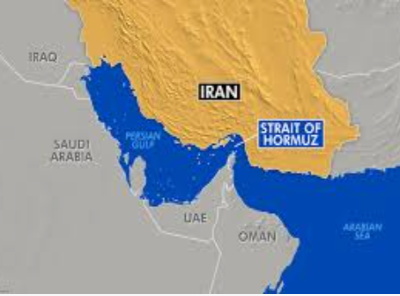
PORT OF SPAIN, Trinidad, CMC- The Energy Chamber of Trinidad and Tobago, Thursday, said the disruption in the Strait of Hormuz could carry mixed implications for the oil-rich twin island Republic.
It said that while crude oil flows have drawn the most attention, the disruption is also affecting other commodities moving through the Gulf, including LNG and fertilizer-related products.
The World Trade Organization’s (WTO) new Strait of Hormuz Trade Tracker shows outbound traffic from the Persian Gulf tracked by AIS coming to “almost a complete halt” after Iran’s March 2 announcement of the closure of the strait, with simultaneous breaks in crude oil, LNG, and fertilizer-related shipments at the end of February.
The WTO said the tracker covers crude oil, natural gas, fertilizer-related products, including sulfur and ammonia, and agricultural products.
The Chamber said this because the Strait of Hormuz remains one of the world’s most critical energy chokepoints, and, according to international media reports, the halt to oil and gas shipments through the strait is a nightmare scenario for the global energy system.
The Chamber noted that by April 1, the impact was becoming more visible in physical trade flows, not just in price movements or market sentiment, and that new trade data suggest buyers are already moving to replace disrupted Middle East supply.
Media reports suggested that U.S. fuel exports hit a record in March, with shipments to Europe up 27 percent, exports to Asia more than doubling, and volumes to Africa surging 169% as buyers sought alternatives.
U.S. LNG exports also reached a record 11.7 million metric tonnes in March, with Asia more than doubling its imports of U.S. LNG while Europe remained the top buyer. That reinforces the point that this is not just a crude oil story, but one affecting a wider basket of energy commodities and trade flows.
“For Trinidad and Tobago, the immediate attraction is on the export side. The country’s gas-based industrial sector is built around LNG and petrochemicals, which generate substantial revenue for the government and are critical for the generation of foreign exchange.”
The Chamber said the LNG angle is especially important, noting that the WTO tracker’s LNG chart shows outbound shipments through Hormuz remained active through much of February before collapsing in March, reinforcing the idea that the market is dealing with an interruption in real cargo movements, not simply a spike in sentiment.
“For Trinidad and Tobago, that creates a plausible opening: when one of the world’s most important LNG corridors is disrupted, alternative suppliers become more strategically relevant. That does not automatically mean Trinidad will sell dramatically more cargoes, but it strengthens the case that its existing LNG exports could become more valuable in a tighter market.”
The Chamber said that, still, the country’s ability to benefit fully is constrained amid reports that Atlantic LNG will begin removing Train 1 from operations this year due to gas shortages and inefficiencies. In February, Train 4 is due to shut for 45 to 50 days in May and June for major maintenance and repairs.
“Those developments suggest that even if international prices rise or buyers seek alternative supply, Trinidad and Tobago may not have the spare flexibility to capture all the upside. The country may be commercially relevant in a tighter market, but it is not operating from a position of abundant feed gas.”
The Chamber said, however, that the upside is developing amid a wider global shock, and that there is also a downside at home.
“Trinidad and Tobago is still a significant importer of refined petroleum products. According to the Observatory of Economic Complexity, the country imported US$1.43 billion of refined petroleum in 2024, making it one of its largest import categories, while Ministry of Energy bulletins continue to track refined product imports by Paria.
“That means higher freight costs, elevated oil prices, or prolonged shipping disruption could feed into the domestic economy through fuel, transport, and business costs, even if exporters benefit from stronger international pricing.
“That leaves Trinidad and Tobago in a familiar position: potentially advantaged as an energy exporter but still exposed as an importer in a volatile global market. The best local reading of the Hormuz disruption is therefore not as a straightforward windfall, but as a mixed story.”
The Chamber said tighter LNG and petrochemical markets could improve the commercial value of the country’s exports. Yet, local gas constraints and the risk of higher imported fuel and shipping costs could limit how much of that upside reaches the wider economy.
“So while Trinidad and Tobago may benefit from tighter markets in LNG and petrochemicals, the same disruption is also amplifying the global economic risks that can eventually weigh on demand,” the Energy Chamber added.









 and then