






































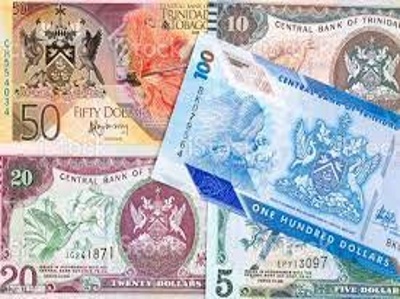
PORT OF SPAIN, Trinidad, CMC – The Central Bank of Trinidad and Tobago (CBTT) says the local economy has been on a recovery path throughout 2022, following two years of economic contraction.
In its 2022 Annual Economic Survey released here, the CBTT said that official data from the Central Statistical Office (CSO) indicate that actual gross domestic product (GDP) grew by three percent during the first three quarters of last year compared to the corresponding period of 2021.
It said the growth was driven by increased output from the non-energy sector (4.7 percent) which overshadowed a falloff in energy sector output (-0.7 percent). Activity in the non-energy sector was boosted by solid performances in several sub-sectors, including manufacturing, excluding refining and petrochemicals, and wholesale and retail trade, excluding energy.
The CBTT said that, conversely, reductions in the condensate extraction and asphalt sub-sectors drove the decline in output from the energy sector.
It estimates that the momentum in economic activity slowed during the fourth quarter of 2022. “However, the economy’s job creation capacity improved during the year. The unemployment rate declined to 4.9 percent in 2022 compared with 5.4 percent in 2021 with new hires mainly in the community, social and personal as well as the construction, including electricity and water sectors,” the CBTT said, adding that labor retrenchments also declined by 38.1 percent in 2022, while the placement of job advertisements in the print media increased by 13 percent.
The Central Bank said inflationary pressures grew significantly as the year progressed, mainly due to external supply-side impulses. Food and energy prices were particularly impacted.
Regarding food prices, the United Nations Food and Agriculture Organization (FAO) Food Price Index increased by 14.3 percent in 2022, led by significant increases in the dairy (19.5 percent) and cereals (17.9 percent) sub-indices.
West Texas Intermediate (WTI) crude oil prices increased by 38.9 percent to an average of US$94.43 per barrel. US Henry Hub, natural gas prices increased by 65.6 percent to an average of US$6.38 per million British Thermal Units (MMBtu).
The CBTT said following a relatively low average of 2.1 percent in 2021, headline inflation will increase to five percent in 2022. It said the uptick in headline inflation was primarily driven by food inflation which increased by 10.4 percent in 2022 compared to 4.4 percent in 2021, while core inflation accelerated to 4.7 percent from 1.5 percent.
The CBTT said liquidity in the domestic banking system declined over the year, given the strong growth in household borrowing and a pick-up in economic activity. It said strengthened energy prices boosted energy revenues, improving financial performance for the fiscal year ending September 2022.
“Provisional estimates from the Ministry of Finance indicate that the Central Government fiscal accounts recorded a surplus of TT$1.1 billion (One TT dollar=US$0.16 cents) in the financial year 2021/22, a much better outturn compared to the budgeted deficit of TT$9.1 billion and the deficit of TT$12.4 billion recorded in the previous year.
“Despite a notable falloff in non-energy receipts, energy revenue more than tripled in the financial year 2021/22, reaching its highest level since 2014,” the CBTT said, noting that while adjusted government debt outstanding grew in nominal terms to TT$129.7 billion at the end of September 2022, from TT$126.7 billion at the end of September 2021, debt as a share of GDP fell from 79.5 percent of GDP to 66.5 percent of GDP over the same period.
The CBTT said that in the first nine months of 2022, Trinidad and Tobago’s current account recorded a surplus of US$4.4 billion, indicative of the strength in international commodity prices, which resulted in healthy energy export earnings.
The net goods trading position more than doubled in value over the first nine months of 2022 compared to the same period of 2021, primarily due to the increase in export earnings which outweighed the simultaneous growth in imports.
Meanwhile, the financial account recorded a net outflow, mainly on a history of higher inter-company lending and, to a lesser extent, increased holdings of foreign debt securities.
Over the year, the country’s gross official reserves declined by US$47.2 million to US$6,832.4 million, equivalent to 8.6 months of import cover. The local market for foreign currency remained tight in 2022 despite a significant increase (33.3 percent) in foreign currency purchases from the energy sector,” the CBTT said in its annual report.










 and then
  says the local economy has been on a recovery path throughout)