




































NASSAU, Bahamas, CMC – The Central Bank of The Bahamas (CBB) says. At the same time, the country’s economic outlook remains positive, but it could also be “significantly” eroded if the Middle East conflict becomes protracted.
“The economy is exposed through several well-defined external channels. These include increased energy price pressures and higher transportation and freight costs, which would increase the cost of imported goods and services, including motor vehicle fuel,” the CBB said in its “Monthly Economic and Financial Developments (MEFD) February 2026”.
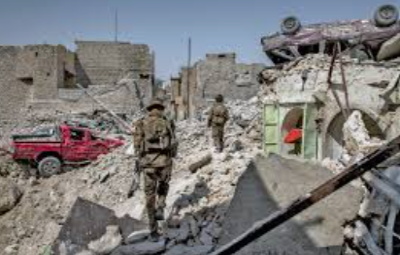
The United States and Israel have launched military strikes against Iran, forcing the global price of oil above the US$100 mark.
The CBB said that while the fuel price hedge should stabilize electricity costs in most of The Bahamas, in the near term, the country’s tourism product, which still has a net positive growth outlook for 2026, also faces potentially eroded demand, particularly from weakened US consumer confidence.
“Conversely, the industry could encounter upside benefits as geographic proximity to the US cushions the relative cost of travel to The Bahamas, vis-à-vis more distant destinations. Otherwise, the financing conditions for foreign investments and public sector foreign currency debt operations could become more challenging if the major central banks are prompted to raise interest rates to calm global inflation concerns,” the CBB said.
In its outlook for the country, the CBB said that expectations are for the domestic economy to expand at a steady pace in 2026 relative to 2025, as economic indicators gradually align with their long-term growth potential. Strong performance in the real sector will be a key contributor to growth.”
It said on the labor front that employment conditions could improve further in 2026, with job growth mostly in the tourism and construction sectors.
“Likewise, the fiscal outlook is expected to feature further narrowing in the government’s net financing gap, from revenue growth associated with tourism and receipts from the domestic minimum corporate tax.”
Meanwhile, budgetary financing is projected to include a continued blend of domestic and external borrowing, with a greater proportion sourced from domestic markets.
The CBB said in its monetary sector developments that banking system liquidity is expected to remain elevated. However, the upward trend in commercial bank lending to the private sector could lead to a slight reduction.
In addition, external reserves could fluctuate at levels comparable to, or slightly improved relative to, 2025, remaining well above international benchmarks and more than adequate to sustain the Bahamian dollar currency peg.
However, risks to the outlook, including for inflation, have increased, as subsiding trade policy uncertainties have been displaced by escalated geopolitical tensions in the Middle East, and associated higher global oil prices.
But the CBB notes that The Bahamas maintains healthy external reserves, which provide a meaningful cushion for increased oil import costs.
“This preserves the stable outlook for the currency. In addition, the domestic banking system remains well-capitalized against any new credit risk, should these emerge— hence the financial stability assessments remain sound.”








 and then
  says. At the same time, the country's economic outlook remains positive, but it could also be "significantly" eroded if the Middle East conflict becomes protracted)