




































KINGSTON, Jamaica, CMC – A child expert is urging the authorities to note the importance of play as an essential intervention in supporting the well-being of children affected by Hurricane Melissa that slammed into Jamaica late October, killing at least 45 people and leaving a trail of destruction estimated at nine billion US dollars.
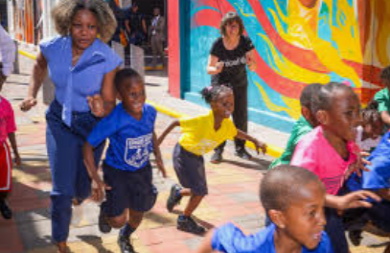
Emeritus Professor of Child Health, Child Development and Behaviour at The University of the West Indies (UWI), Maureen Samms-Vaughan, said that “high amounts of play are associated with low levels of cortisol, and children who play are more resilient to toxic stress and can better cope with adversity.
“We’ve seen the stress reduction, the reduction in anxiety, and the development of resilience, in adverse situations,” she said, adding, “we need to ensure that children are playing, providing them with the play material and the resources because play reduces stress hormones. Play is an important aspect of addressing adversity.”
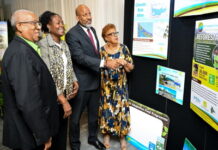
Professor Samms-Vaughan was addressing educators, policymakers, researchers, and child advocates from the region at the Early Childhood Education Colloquium hosted by the JN Foundation in partnership with The UWI School of Education and the Dudley Grant Early Childhood Resource Centre, under the theme, “Let’s shape tomorrow, together.
She said that while play is vital for recovery, stabilising families and restarting schools must also be a priority.
“We really need to provide good physical and mental health support and place children back in schools as soon as possible. UNICEF is providing tents to bring children back together, which alone will improve their mental health because once they get together, they will start playing.
Highlighting the effects of disasters on children, Professor Samms-Vaughan drew parallels with Hurricane Katrina in New Orleans, in the United States of America, in 2005, pointing to long-term research showing sustained impacts on children’s health and education.
“Children suffered the most intense and prolonged effects from the hurricane. One year later, parents were three times more likely to describe their children’s health as fair or poor. Two years later, children were four times more likely to be rated in fair or poor health.
“It took 10 years for mental health problems to return to an average level. Forty-three per cent of children had post-traumatic symptoms after one year. Four to five years later, 45 per cent of children still had psychological or emotional problems that were not there before. In terms of education, more than half the children had a drop in their grades,” she told the conference.
Professor Samms-Vaughan noted that children who were quickly relocated following Hurricane Katrina performed better in school than those who experienced prolonged displacement or were placed in schools far from their homes.
The child expert further stressed the impact of play on children’s physical, emotional, cognitive, and social well-being.
“Play has been shown, actually, to build the brain. It has direct and indirect effects on brain structure and functioning,” she said, adding that play supports learning, pro-social behaviour, and overall health.
“As long as the play is just not in front of a screen and it’s outside, then you get impacts on health,” Professor Samms-Vaughan said, cautioning that children are not playing enough, outlining factors limiting children’s access to play, including cultural attitudes, academic pressure, work-related time constraints among parents, and unsafe community environments.
“Play is not seen as important. How many of us have been told that we romp too much?” she asked, noting the value families place on academics, which overshadows the significance of play.
“There’s an overfocus on academic achievement. It’s really great that our parents want children to achieve, and we have to build on that expectation, but we also have to build in that play is still really important for children.” She said that limited access to safe outdoor spaces also hinders children’s ability to play.
“Some children live in communities where parents tell you they keep them inside because it’s not safe,” she said, adding that more parks and community play areas are needed.
To remedy the situation, Professor Samms-Vaughan urged stakeholders to ensure safe play spaces in communities, incorporate play in the curriculum of professionals working with children and families, strengthen parenting programmes, and ensure proper supervision and maintenance of facilities.
Teachers need to be encouraged to play with children. We have a habit in Jamaica of early work. I would love us to have early play too; that some days it’s early play rather than early work,” she said.









 and then