



































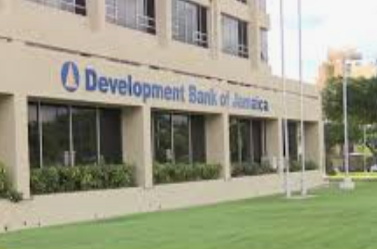
KINGSTON, Jamaica, CMC – The Development Bank of Jamaica (DBJ) says it plans to launch its M5 business recovery programme during the 2026/27 fiscal year, aimed at supporting enterprises affected by Hurricane Melissa.
The DBJ said the intervention is intended to restore operations, rebuild capacity, and sustain enterprise continuity following the hurricane last October, which caused damage estimated at US$9.9 billion.
According to the DBJ, grants, concessional loans, and blended financing will be provided through partnerships with Approved Financial Institutions (AFIs) and Micro Finance Institutions (MFIs) to ensure broad reach, operational efficiency, and timely support.
Four key sectors are being targeted –agriculture, manufacturing and agro-processing, tourism, and health.
The DBJ’s programme is contained in the Jamaica Public Bodies Estimates of Revenue and Expenditure for the year ending March 2027, which has been tabled in the House of Representatives.
According to the document, during the new financial year, the DBJ plans to advance the enterprise growth strategy by accelerating the scaling, expansion, and long-term sustainability of micro, small, and medium enterprises (MSMEs) through loans, grants, equity financing, capacity building, and strategic public-private partnerships.
“Stakeholders and partners will support MSMEs through structured growth paths and tailored interventions at each stage of their development,” the document said, noting that focus will also be placed on facilitating private investment in government-owned assets through public-private partnerships and privatisations, prioritising strategic capital investments to boost recovery and reconstruction, productivity, economic resilience, and long-term development.
“Key sectors aligned with the government of Jamaica priorities include water and sanitation, renewable energy, education, transportation and logistics, housing, health, and justice,” the DBJ said, noting that it will also collaborate with regional partners on opportunities in financing, sustainable development initiatives through resource mobilisation, market development and trade, and strengthening inter-institutional linkages.
Regional efforts will focus on climate resilience, energy transition, sustainable infrastructure, logistics, technology and digital transition, and agriculture and food security.
The DBJ’s initiatives should result in total investments of approximately J$33.61 billion (One Jamaican dollar = 0.008 cents) and loan disbursements valued at J$7.1 billion.








 and then
  says it plans to launch its M5 business recovery programme during the 2026/27 fiscal year)