








































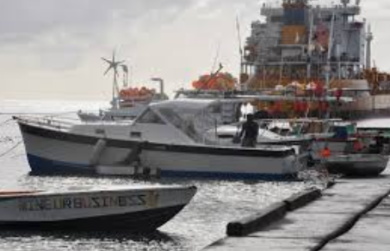
ST. GEORGE’S, Grenada, CMC – Fishermen and other stakeholders who violate the new fisheries regulations could face maximum fines of EC$100,000 (One EC dollar = 0.37 cents), according to an official published document.
The regulations have been posted in the latest edition of the Government Gazette, three weeks after Parliament approved an amendment to the Fisheries Act, indicating that they will now serve as the working guidelines for the fishing industry and also mandate the release and reporting of certain mammals caught or seen in Grenada’s marine space.
Grenada’s decision to amend its Fisheries Act and establish new regulations will make the island compliant with the United States Marine Mammal Protection Act, averting a January 1, 2026, ban on fish and fish products from Grenada entering markets in the North American country.
The ban was announced in August this year. Since then, the Dickon Mitchell government has been seeking to amend the relevant policy, law, or regulation to avert the ban on the industry, which brings in more than EC$50 million annually to the island.
Labelled as SRO 43 of 2025, besides a maximum fine of EC$100,000 for various offenses, the Fisheries (Marine Mammals) Regulations also requires that a marine mammal that has been caught accidentally or entangled while a fishing vessel is fishing or farming or preparing to fish or farm a species of fish other than a marine mammal, shall be returned to the fishery waters as soon as possible after discovery.
It also states that the mammal, as far as possible, be promptly freed in a manner that causes the least amount of stress or harm to the marine mammal.
“When requested to do so by the master or operator of a fishing vessel, a member of a fishing vessel shall assist in the release of a marine mammal accidentally caught or entangled unless he or she fears for his or her personal safety,” said the regulations which explains that a person who fail to comply with the request to set the mammal free commits an offence and is liable on summary conviction to a fine and or imprisonment or both fine and imprisonment together.
The list of marine mammals includes the Humpback Whale (Megaptera novaeangliae), Sperm Whale (Physeter macrocephalus), Short-finned Pilot Whale (Globicephala macrorhynchus), Bottlenose Dolphin (Tursiops truncatus), Spinner Dolphin (Stenella longirostris), Atlantic Spotted Dolphin (Stenella frontalis), False Killer Whale (Pseudorca crassidens), Pygmy Sperm Whale, West Indian Manatee (Trichechus manatus), Pinnipeds (Seals), or Reporting Unknown Species.
“If a marine mammal cannot be identified, the fishing vessel shall record and photograph the mammal; Report as ‘Unidentified species’ with descriptive notes and submit materials to the Fisheries Division for scientific verification,” according to the regulations.
Despite the heavy fines for violating the fisheries regulations, there are exemptions, and according to the regulation, “It is not a contravention of these Regulations to take or harass a marine mammal if the Minister authorises the taking or harassing for research into fisheries”.
It will also not be a contravention of these regulations to take a marine mammal “if the taking is imminently necessary in self-defence to save the life of a person in immediate danger, nor is it imminently necessary to avoid serious injury, additional injury, or death to a marine mammal entangled in fishing gear or debris”.
The regulations state that reasonable care should be taken to ensure the safe release of the marine mammal, taking into consideration the equipment, expertise, and conditions at hand, and to prevent further injury to the marine mammal.
The master or operator of a fishing vessel shall report a taking or harassment to the Chief Fisheries Officer within 48 hours, and the Chief Fisheries Officer may seize and dispose of any carcass.










 and then