


























UNITED NATIONS, CMC- The UN has issued an urgent call for international support as Cuba grapples with a ‘worsening’ humanitarian crisis fuelled by a prolonged energy blockade and the lingering devastation caused by Hurricane Melissa last October.
The UN said fuel shortages in the country have deepened after Washington took measures at the end of January to block oil supplies from entering the Caribbean nation.
Despite the reported arrival of limited fuel supplies, including a recent oil shipment sent by Russia which was allowed to dock by the United States despite its blockade last week, “the humanitarian needs in the country remain quite acute and persistent”, said the top UN official in the country, adding that the impacts of the energy shock have ‘worsened’ since the end of March.
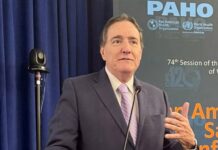
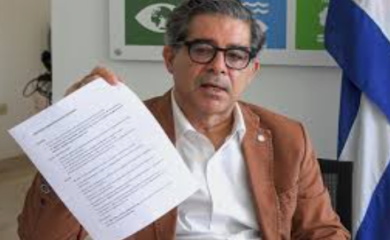
Resident Coordinator, Francisco Pichon, briefing reporters in New York via video link, unveiled an updated Action Plan to support around 2 million people across 8 provinces.
The plan builds on previous recovery efforts from Hurricane Melissa with a focus on the island’s collapsing power grid.
The humanitarian situation has reached a critical tipping point following three months without sufficient fuel to meet the Caribbean nation’s energy needs, which Venezuela had largely met until the United States invaded the South American country and detained President Nicolas Maduro on drug-related charges.
The crisis was further exacerbated last month when the national electrical system disconnected three times, plunging the nation into darkness for days.
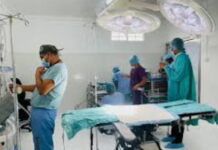
This energy deficiency has paralyzed essential services. Health systems are facing a backlog of over 96,000 pending surgeries, including 11,000 for children, while the National Immunization Program has been delayed for thousands of infants.
Furthermore, roughly one million people are currently dependent on water trucking, a service severely constrained by the lack of diesel.
Pichon emphasized that the crisis was not felt equally, hitting the most vulnerable groups in Cuba the hardest.
With Cuba being the most aged country in Latin America, the UN is prioritizing the protection of nearly 300,000 elderly citizens living alone, as well as over 100,000 people with disabilities and 32,000 pregnant women.
“The humanitarian consequences continue every day, despite recent efforts to deliver fuel; the situation comes on top of multiple shocks,” Pichon said.
To address these needs, the UN presence in Cuba emphasized shifting toward sustainable energy backup solutions.
The updated Action Plan includes installing solar power for irrigation systems, hospitals, and schools, as well as reinforcing water-pumping infrastructure to reduce reliance on the fragile national grid.
While the UN has already mobilized US$26.2 million, a significant funding gap of US$68 million remains.
Pichon stressed that the UN is working in close dialogue with national authorities and the private sector to identify logistical solutions that guarantee the viability of aid operations.
“We believe this is a critical window of opportunity to mobilize resources and raise awareness of the urgency.”
Meanwhile, the Caribbean Community (CARICOM) says the mechanism “is fully on the way” to extend the promised humanitarian help to Cuba.
CARICOM chairman and St. Kitts and Nevis Prime Minister Dr. Terrance Drew said late last month, “the mechanism is fully, fully on the way to extend that humanitarian help to our brothers and sisters in Cuba”.
The Guyana-based Caricom Secretariat has announced that regional governments are preparing to dispatch humanitarian aid to Cuba, which has been rocked by repeated, extensive blackouts amid the United States’ efforts to cut off oil supplies to the country.






 and then