






















WASHINGTON, CMC – The Caribbean Community (CARICOM) grouping is calling for a stronger surveillance system amid ongoing efforts to address the impact of rare diseases on small and developing countries.
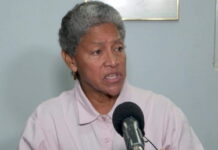
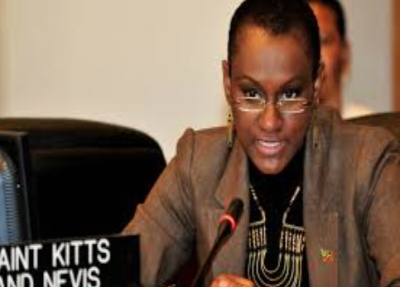
St. Kitts and Nevis Ambassador to the Organization of American States (OAS), Jacinth Henry Martin, speaking at the Permanent Council meeting on “Rare Disease Day,” said that although rare diseases affect relatively small numbers of people individually, they can pose serious challenges for patients, families, and national health care systems, particularly in small island developing states.
“St. Kitts-Nevis is honoured to speak in its own capacity and on behalf of CARICOM States on this commemoration of Rare Disease Day, a reminder that behind every statistic is a person, a family and a community navigating often complex and lifelong challenges, which are not solely medical, but span the gamut of fundamental human rights, the rights to health, education, work, social protection and full participation in society.
“We therefore welcome the continued attention to rare diseases within the inter-American system, including the relevant mandates of the General Assembly, as well as global frameworks…which recognise rare diseases as a global health priority and call for coordinated action,” she added.
The diplomat, who joined other representatives in commemorating Rare Disease Day, said that building resilience in equitable health systems remains essential to addressing the needs of those living with rare conditions.
“For St. Kitts-Nevis and CARICOM States, the situation presents both constraints and opportunities. Our populations are small, and the number of documented rare disease cases remains comparatively limited.
“Notwithstanding, we acknowledge that low numbers may reflect underdiagnosis, limited access to specialist services, and the fact that some citizens seek diagnosis and treatment rather than pay fees. In this context, strengthening the overall resilience and equity for our health system is central to ensuring that persons living with rare diseases are not left behind.”
She acknowledged that early detection of rare diseases remains a challenge in the region. Still, she noted that efforts are underway to strengthen capacity through collaboration with the Pan American Health Organisation and regional academic institutions.
“In St. Kitts-Nevis, our national focus has been strongly shaped by the heavy burden of non-communicable diseases, leading to the adoption of a national policy and action plan for the prevention and control of non-communicable diseases from 2013 to 2017 and subsequently a national multi-sectoral plan of action for the prevention, control, and management of NCDs.
“While these and other far-reaching measures are not rare-disease-specific, they are foundational. Strong primary healthcare, improved surveillance, better risk factor control, and integrated chronic disease management create a platform that benefits persons living with complex and rare conditions.
“In parallel, St. Kitts-Nevis is working with technical support from PAHO and regional academic partners toward the establishment of a national health insurance scheme to ensure universal access to a defined package of essential services, including NCD care. This reform is intended to reduce financial burdens and catastrophic health expenditure, a critical consideration for families facing prolonged and high-cost treatment.”
Martin also said that individuals should not be disadvantaged because their condition is rare or difficult to diagnose, underscoring the need for continued regional cooperation to improve care and support for those affected.
“Our social protection architecture, including benefits administered through the national social security fund, provides disability, maternity, child, and survivor benefits that help mitigate socio-economic impacts on affected households.
“From a human rights perspective, CARICOM states are determined that no one should be disadvantaged because their condition is rare, difficult to diagnose, or poorly understood. For small states such as ours, cooperation is indispensable.
“We may not be able to independently provide the full range of specialised diagnostics and therapies required for more than 6,000 identified rare diseases, so we rely on partnerships within the OS, PAHO, and CARICOM for referral pathways, telemedicine, access to orphan medications, and data-sharing mechanisms that respect privacy and ethical standards.
“Our limitations do not diminish our resolve. We yearn to bring relief, to impel cures and healing, and to support not only those who suffer but also the families and caregivers who stand with them, often as the first and most constant line of care. “
Martin said that rare diseases may be rare individually, but the human dignity at stake is universal.
“On this Rare Disease Day, St. Kitts and Nevis and CARICOM states reaffirm our commitment to building inclusive, resilient health and social systems that serve all people, including those living with rare diseases. We stand ready to continue working with fellow member states and partners to ensure that equity, dignity, and human rights remain the centre of our collective response,” she told the OAS Permanent Council.








 and then
  grouping is calling for a stronger surveillance system amid ongoing efforts to address the impact of rare diseases on small and developing countries)