





































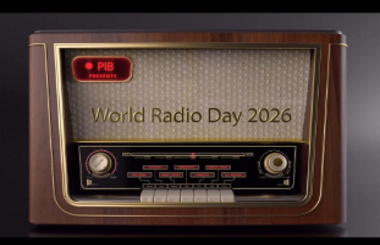
BRIDGETOWN, Barbados, CMC – UNESCO is praising the role of radio in the Caribbean in “preserving our authentic Caribbean voice” as the world Friday observes World Radio Day, focusing on artificial intelligence (AI) and the ways it is changing how people find, use, and enjoy audio.
As the United Nations considers the impact of artificial intelligence (AI) on radio broadcasting, recognizing that AI is a tool, the United Nations Information Center (UNIC) in the Caribbean has also shared a voice note on the potential use of this AI in Caribbean language translation as an example of AI’s assessed value within this dimension of our regional communications.
In his message marking the occasion, UNSCO Director-General Khaled El-Enany said that, if used ethically, AI can help radio do what it does best: connect people and build public trust.
But he also warns that at the same time, the technology can weaken that trust if misused. “What is at stake is the very essence of radio: its credibility, its integrity, and its human voice,” he added.
“ AI opens new horizons. Broadcasters are using it to produce content more efficiently, understand audience preferences, and reach new markets. Translation and transcription tools are helping to break down language barriers and amplify Indigenous and minority languages, which are often underrepresented in mainstream media.”
He said that this year’s theme for World Radio Day, “Artificial Intelligence is a Tool, Not a Voice,” is both a warning and a call to action.
“We urge all broadcasters to adopt clear ethical frameworks for the use of AI, grounded in the principles of our 2021 Recommendation on the Ethics of Artificial Intelligence: transparency, data protection, and safeguards against manipulation.”
El-Enany is urging countries, including those in the Caribbean, to take part in World Radio Day by registering their initiatives on UNESCO’s dedicated platform.
More than 750 activities in 170 countries are already confirmed. Together, let us ensure that AI serves the public, and not the other way around. Let us ensure that radio continues to inform with integrity, connect with empathy, and speak with a human voice.











 and then