






































BRIDGETOWN, Barbados, CMC – The Pan American Health Organization (PAHO) has called on countries to accelerate efforts to achieve cervical cancer 2030 elimination targets in the Americas, including the Caribbean, warning that, with only five years remaining, the current pace puts reaching the goals at risk, despite progress in vaccination.
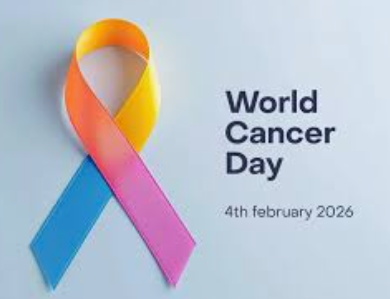
PAHO is holding a virtual seminar on Wednesday, coinciding with World Cancer Day, which is being observed under the theme “United by Unique”.
PAHO said annually, more than 78,000 women are diagnosed with cervical cancer in the Americas, and more than 40,000 die from the disease.
It said that 83 per cent of these deaths occur in Latin America and the Caribbean, where mortality rates are three times higher than in North America. PAHO said these figures reflect deep inequalities in access to prevention, early detection, and timely treatment services.
Cervical cancer is one of more than 30 diseases and related conditions that PAHO aims to eliminate as part of its Disease Elimination Initiative.
It said to achieve this goal, countries must meet three targets by 2030: reach 90 per cent coverage of human papillomavirus (HPV) vaccination among girls before age 15; screen 70 per cent of women with high-performance tests at ages 35 and 45; and ensure that 90 per cent of women with precancerous lesions or invasive cancer receive treatment.
“Important progress is already being seen in the region,” said PAHO Director, Dr. Jarbas Barbosa, in a video message.
“The HPV vaccine is available in 49 of the 51 countries and territories of the Americas, which has a programmatic coverage of 70 per cent for the first dose of the vaccine among women in the region. In addition, 24 countries and territories have adopted a single-dose schedule, which significantly increases coverage,” he added.
PAHO said challenges persist, particularly in screening and treatment. It noted that although 14 countries have introduced HPV testing as part of their screening programs, coverage remains low and data availability remains limited.
Significant gaps also exist in treatment, as only 18 countries report having radiotherapy services available.
PAHO warned that if current trends continue, deaths from cervical cancer in the Americas are projected to exceed 46,200 by 2030, underscoring the urgency of accelerating the implementation of cost-effective interventions that are already available.
Meanwhile, a study in Barbados has found that many patients have been diagnosed with advanced stages of cancer very late.
The national study found that too many people are being diagnosed only when the disease has already advanced, drastically reducing survival chances and pushing the health system to its limits.
According to the survey, “nearly 1,000 Barbadians are diagnosed with cancer each year, with too many cases still being identified at a late stage, when treatment is more difficult, and survival rates are lower.”
This latest data from the Barbados National Registry (BNR), covering 2013 to 2022, also shows that cancer rates in Barbados remain higher than the global average.
“In 2022 alone, 983 new cancer cases were recorded, affecting approximately one in every 300 people on the island,” the survey said, with breast, prostate, and colorectal cancers continuing to be the most common and the deadliest.
The study found that prostate cancer accounts for nearly half of all cancers diagnosed among men, while breast cancer remains the leading cancer among women. Colorectal cancer affects both sexes and continues to be a significant cause of illness and death.
BNR principal investigator, Dr Christina Howitt, and Professor Simon Anderson, co-principal investigator, noted that although slightly more women are diagnosed with cancer overall, men experience higher cancer rates, primarily driven by prostate cancer.
“One of the most important messages from this report is that too many people are still being diagnosed late. When cancer is found early, treatment is more effective, survival is higher, and the impact on families and the health system is much lower. Early detection really does save lives.”
The investigators expressed concern that in 2022, more people were first diagnosed only after their cancer had already spread to other parts of the body – the highest level observed in nineyears.
According to them, this suggests that many patients are entering the health system later in the course of their illness, limiting treatment options and increasing pressure on health services.
“Survival outcomes remain modest. Approximately two-thirds of patients survive the first year after diagnosis, while fewer than half are alive five years later,” the report warned.
While lung cancer is relatively uncommon in Barbados, it remains one of the leading causes of cancer-related deaths, reflecting how difficult it is to treat when diagnosed late.
The Barbados Cancer Society (BCS) has endorsed the study’s findings, with its president, Professor David Rosin, expressing grave concern about the increasing number of people presenting too late for effective treatment.









 and then
  has called on countries to accelerate efforts to achieve cervical cancer 2030 elimination targets in the Americas)