

































BRIDGETOWN, Barbados, CMC – Senators have raised concerns about merit, performance, and political influence as the Upper House debated legislation to grant permanent appointments to more than 2,000 public officers early next year. The debate took place as the Senate considered the Public Service (Appointments) Bill, which seeks to confirm officers who have been acting in posts for at least three years.
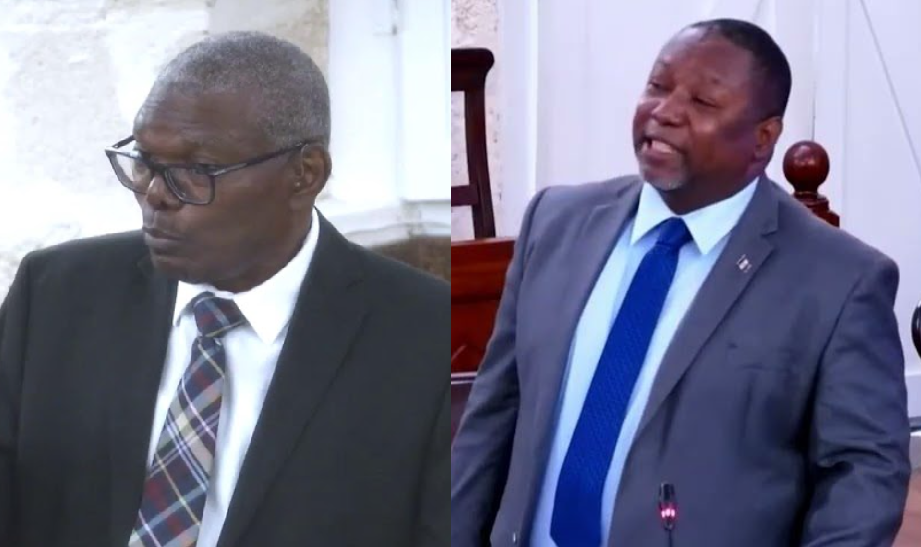
Independent Senator Lindell Nurse warned against “blanket” confirmations based solely on time served, arguing that such an approach risked entrenching inefficiency within the public service.
“If we are to develop our governmental services and our productivity, we need to be able to have persons who are obviously fit for the jobs in which they are working,” he said. “A blanket promotion of people acting cannot be the best way of dealing with this situation.”
He said permanent appointments should follow assessments of technical competence and qualifications.
“We need to ensure that people being promoted have the necessary technical skills [and] the qualifications,” he said, warning that without proper safeguards, “we continue to accommodate… some levels of mediocrity [and] inefficiency.”
The nurse also questioned whether performance management systems were consistently applied, calling for regular evaluations.
“I would like to see a system of performance appraisals,” he said, asking whether “every civil servant” was being evaluated.
Government Senator Shantal Munro-Knight said a framework already exists through the Performance Review and Development System (PRDS), but acknowledged the need for improvement.
“We are reviewing the PRDS system to make sure that it functions even more efficiently,” she said.
Opposition Senator Andre Worrell argued that permanent appointments should be automatic under existing civil service rules and free from political influence.
“Even though there are provisions within the civil service that should make these appointments automatic, we need to get to that stage within the civil service where these appointments become automatic,” he said.
“These legislations should not have to come to Parliament for a debate to make it seem as though any one particular administration is favouring or granting favour to civil servants,” he added.
Worrell also highlighted staffing, training, and service delivery challenges, as well as technology failures, which he said have contributed to low morale and “brain drain” in the public service.
“One of the reasons for that loss would be brain drain in terms of persons seeking opportunities elsewhere outside of Barbados because of the opportunity to earn better salaries,” he said.







 and then