








































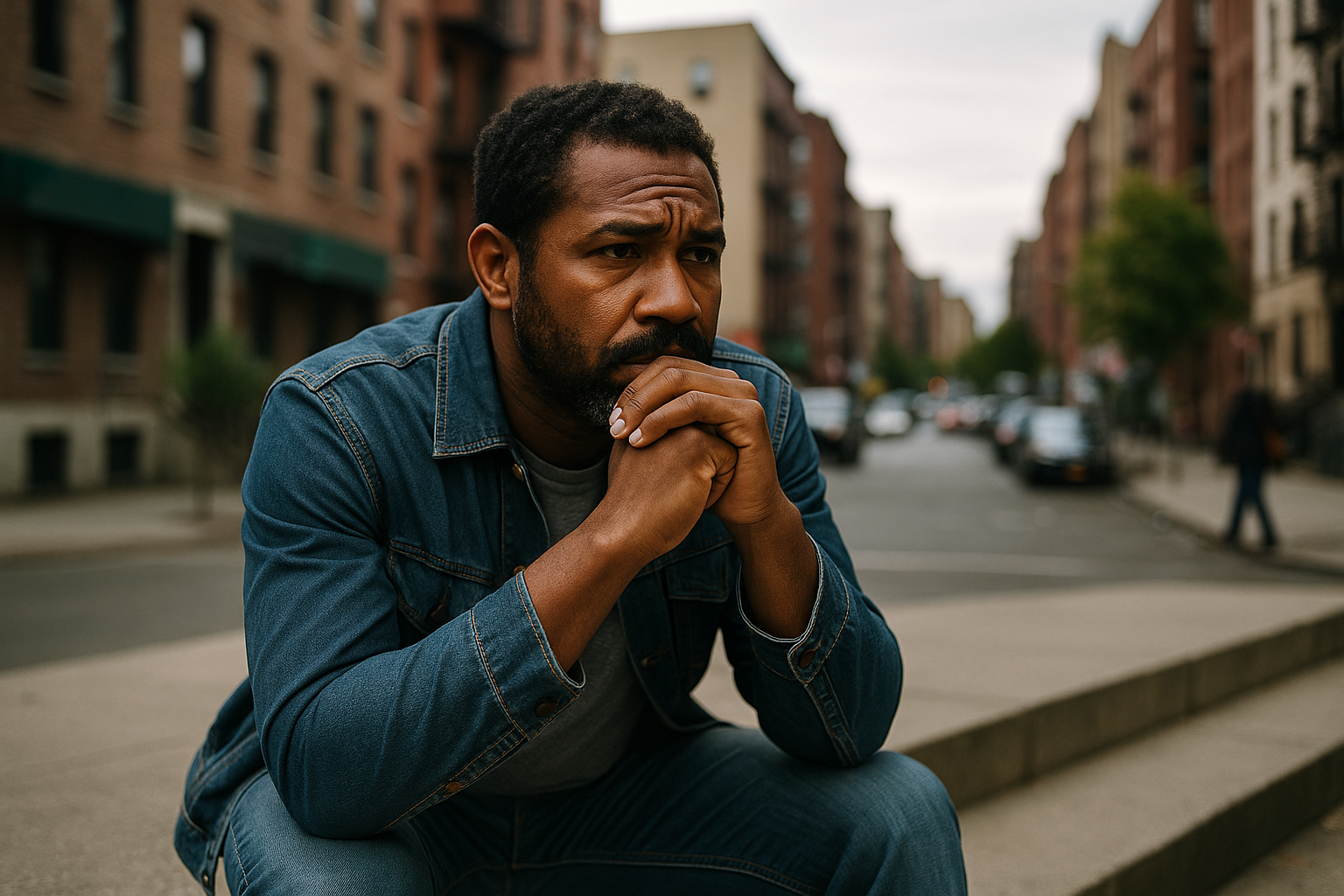
The Caribbean-American community in New York stands at a defining moment, as long-standing systemic issues continue to shape the lived experiences of thousands of immigrants seeking stability, opportunity, and dignity. For many recent arrivals, the journey does not end at the airport; instead, it begins in the shadow of complex immigration rules, economic pressures, and social inequities that test the resilience of even the most determined families.
Across neighborhoods such as Flatbush, Crown Heights, and Jamaica, Caribbean immigrants confront challenges embedded deep within the city’s social systems. Lengthy work-permit delays leave newcomers dependent on under-the-table jobs that offer low wages and no protections. Housing insecurity is another persistent struggle, as rising rents collide with discriminatory practices that disproportionately affect Black immigrants. For those without legal status, reporting unsafe conditions or exploitation often feels too risky, reinforcing cycles of vulnerability.
Community leaders say these issues are compounded by limited access to legal resources, mental-health support, and culturally informed services. “Our people are strong, but strength alone can’t overcome barriers built over generations,” notes one Brooklyn-based advocate who works with immigration-impacted families. “We need policies that recognize the realities of our community—its contributions and its challenges.”
Young Caribbean Americans face their own obstacles. Many navigate underfunded schools, policing disparities, and intergenerational economic hardship. These pressures can push youth toward high-risk paths, even as grassroots organizations work tirelessly to provide mentorship, safe spaces, and academic support.
Yet amid the obstacles, progress is visible. Mutual-aid groups, immigrant-rights networks, and faith-based organizations continue to expand their outreach. As Caribbean communities push for fairer immigration processes and more equitable city services, a growing coalition calls for systemic reforms that address root causes—not just symptoms.
For many, the question is no longer whether change is needed, but how soon it will arrive.










 and then