




































WASHINGTON, CMC – The Pan American Health Organization (PAHO) has released its 2025 Annual Report, outlining significant progress in health security, disease elimination, digital transformation, and the strengthening of health systems across the Americas, including the Caribbean.
The web-based report, titled “Driving Innovation, Delivering Impact,” details how regional cooperation and sustained technical support have helped countries tackle both persistent and emerging health challenges.
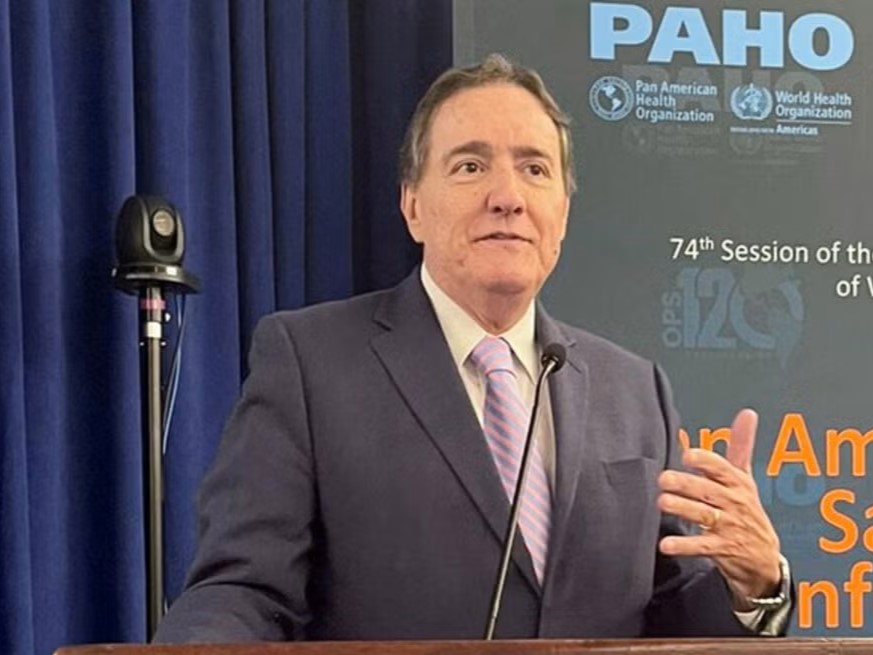
“The year 2025 tested the resilience of health systems and international cooperation alike,” said PAHO Director Dr. Jarbas Barbosa. “Against a backdrop of reduced global health funding, PAHO once again demonstrated its ability, built over more than 120 years, to adapt, deliver, and advance health for all in the Americas.”
Despite an increasingly complex public health environment, PAHO said it continued to work closely with member states to strengthen healthcare systems, improve access to services, and respond to new and ongoing threats.
The report highlights key areas of progress, including disease elimination, noncommunicable diseases (NCDs), primary health care reform, digital innovation, the impact of its Regional Revolving Funds, regional manufacturing, and health security.
Among major milestones, Suriname became the first country in the Amazon basin to be certified malaria-free, bringing the total number of malaria-free countries in the region to 20. Brazil also eliminated mother-to-child transmission of HIV, reinforcing the region’s leadership in combating infectious diseases.
In addressing NCDs, PAHO said its Better Care for NCDs initiative expanded significantly, with more than 10,000 primary healthcare centres across 28 countries adopting the HEARTS programme, delivering standardized hypertension care to over six million people.
Efforts to strengthen primary healthcare also advanced, with Chile, Panama, and Paraguay joining the Alliance for Primary Health Care in the Americas—broadening collaboration and unlocking investments from the Inter-American Development Bank and the World Bank.
On the digital front, 22 countries joined the Global Digital Health Certification Network, enabling secure digital vaccination records and cross-border compatibility. Additionally, seven countries rolled out an integrated telehealth platform to improve specialist access in remote and underserved communities.
PAHO’s Regional Revolving Funds also played a critical role, procuring more than US$900 million in vaccines, medical technologies, and supplies. The initiative delivered 234 million vaccine doses to 33 member states and expanded access to high-cost cancer and rare disease treatments, generating significant cost savings.
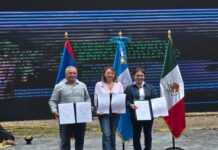
In advancing regional production, a major agreement signed in January 2025 between Argentina, Sinergium Biotech, Pfizer, and PAHO boosted local manufacturing of the PCV20 pneumococcal vaccine, improving affordability and supply security.
However, the report also points to setbacks. The Americas lost its measles elimination status after transmission was re-established in Canada. More than 14,000 cases and 30 deaths were recorded across 13 countries, with Indigenous populations disproportionately affected, highlighting the need for stronger vaccination coverage and surveillance systems.
Health security remained a central priority in 2025, with PAHO’s regional surveillance system analysing 2.1 million signals tied to potential threats and identifying 157 public health events across the region. The system enables countries to detect and respond to risks more quickly.
PAHO also supported responses to outbreaks such as yellow fever, dengue, and the Oropouche virus, as well as natural disasters, including Hurricane Melissa in the Caribbean.
“Health security is at the core of our work,” Dr. Barbosa said. “PAHO was built on transparency and information-sharing, providing a platform for countries to collaborate and coordinate efforts to prevent and control outbreaks and epidemics.”










 and then
  has released its 2025 Annual Report, outlining significant progress in health security, disease elimination, digital transformation)