






















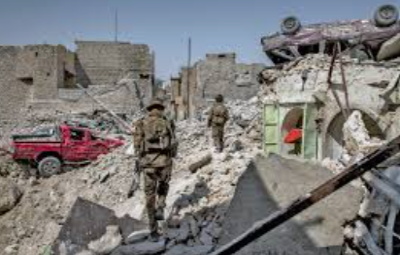
NASSAU, Bahamas, CMC -The Bahamas government says the ongoing war in the Middle East involving the United States, Israel, and Iran has disrupted one of the world’s most important energy transit points, through which a large percentage of global oil and liquefied natural gas shipments normally pass
“As a result, international oil prices have surged from around the 70 US dollar range earlier this year to well over 100 US dollars a barrel, one of the sharpest energy price shocks the world has seen since the Ukraine crisis,” Prime Minister Phillip Davis said in a statement adding that “this increase, and the uncertainties about what will come next, are putting pressure on oil prices, shipping, and supply chains”.
He said he is aware that many Bahamians have been following the events in the Middle East, and are wondering what this moment means for the cost of living here at home.
“For a small island country like ours, that matters. When global fuel prices rise, they affect electricity, freight, and transport costs, and, over time, grocery prices.
“People want to know what this means for their light bill, what it means at the pump, and what it means for food prices. We have been closely monitoring developments, engaging with our energy partners, and planning for various scenarios.”
Prime Minister Davis said the policy changes made by his government over the past few years “have built more resilience into our system.
“In particular, the major energy reforms we’ve put in place, which include major efficiencies and improvements, and risk mitigation strategies, have left us in better shape. That work is still ongoing, but it means we can say that your electricity bills, which are already lower from the changes, will not be impacted by the current crisis.”
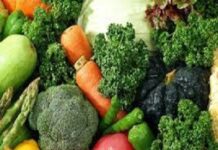
Prime Minister Davis said he met with the Retailers Association on Tuesday afternoon, which focused on how all stakeholders work together ahead of the April 1 value-added tax (VAT) reduction on food to bring down costs for Bahamian families.
“Families across our country are working hard every day, and they deserve a government that stays focused on easing pressure at the checkout line and around the kitchen table. That is why we came together in a spirit of cooperation and shared purpose.
“I am pleased we could find a solution so that Bahamians will benefit from the change of VAT on unprepared food in grocery stores beginning April 1,” Davis said, adding, “This is about helping families keep more of their money in their pockets.
“It is about making everyday essentials more affordable. And it is about showing that when government and industry come together with goodwill and seriousness, we can deliver real results for the people we serve.”
Prime Minister Davis said that periods of instability can create pressure far beyond the original conflict zone, including illegal migration, maritime smuggling, and other unlawful activity across the Caribbean region.
He said that the Royal Bahamas Defence Force (RBDF) remains on alert as the government is watching the situation unfolding in Cuba.
“From Great Bahama Bank to Cay Sal Bank and to Anguilla Cay, we are actively monitoring our maritime space. Our assets remain in the southern Bahamas, and we are working closely with the United States Coast Guard and other partners,” Davis said, adding “that presence is active and it is producing results”.
He said that over the past two days, RBDF personnel intercepted 57 migrants in the Little Inagua area and that investigations are continuing.
“That operation is a reminder that border security is daily work. It requires investment, coordination, readiness, and strong partnerships,” Prime Minister Davis said, adding that “we understood that in an uncertain world, a country like ours must have the ability to monitor, respond, and protect its territorial integrity.
“I have also directed the Minister of Foreign Affairs, Fred Mitchell, to remain engaged with his regional colleagues. I am in contact with partners as well, because this is a moment for close communication, close monitoring, and steady cooperation.”
He said that when uncertainty rises, a country must have strong relationships, a credible voice, and the standing to engage seriously with regional and international partners.
”We have done the work to strengthen that standing. We have done the work to ensure that The Bahamas is heard, respected, and well-positioned in moments like this.
“These are serious times. But this is also a time for calm heads, steady hands, and a responsible, united team in government. Your government is watching these developments closely and responding. All options are on the table to protect the livelihoods of Bahamians.”










 and then