


































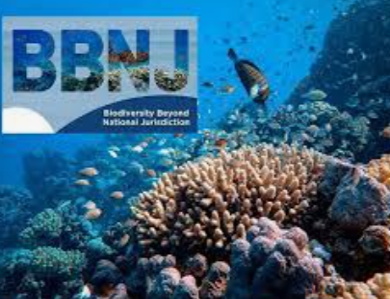
PARAMARIBO, Suriname, CMC – Suriname says it is moving towards ratifying and implementing the United Nations Convention on Biological Diversity Beyond National Jurisdiction (BBNJ), which aims to contribute to the protection and sustainable use of marine biodiversity in the high seas.
The government says the BBNJ treaty offers Suriname the opportunity to intensify international cooperation, gain access to financing and technology transfer, and participate in decisions regarding marine protected areas in the high seas.
It is said that by signing the treaty in June 2025, Suriname has indicated its willingness to actively participate in the new global governance structures that will come into effect once the treaty enters into force.
In preparation for ratifying the convention, Suriname is holding a three-day national workshop, which ends on Friday, and is hosted by the Ministry of Foreign Affairs, International Trade and Cooperation in collaboration with the High Seas Alliance.
The workshop has brought together policymakers, scientists, civil society organizations, and representatives from the private sector to prepare Suriname substantively and institutionally for the ratification of the BBNJ Convention.
This legally binding international instrument was adopted in June 2023 under the UN Convention on the Law of the Sea (UNCLOS) and focuses on the conservation and sustainable use of biodiversity in areas beyond national jurisdiction, known as the high seas.
The regional report “High Seas, High Stakes: A Cost-Benefit Analysis of the BBNJ Agreement in the Caribbean” (2025) shows that Caribbean countries comparable to Suriname could achieve long-term economic benefits. Better management of fish stocks and enhanced oversight of offshore activities can reduce losses from illegal, unreported, and unregulated fishing.
Furthermore, the global biotechnology sector utilizing marine genetic resources is estimated to be worth US$400 to US$650 million annually. By strengthening national research and innovation capacity, Suriname may be better able to capitalize on this growing market.
For Suriname, with an Exclusive Economic Zone of over 130,000 km² and a coastline that lies within the Guianas Shield ecosystem, the treaty is strategically important. The expansion of offshore activities, rising maritime traffic, and the growth of the energy sector pose new environmental risks.











 and then
 )