




































BRIDGETOWN, Barbados, CMC – Caribbean countries averaged economic growth last year of 10.3 percent compared to 4.5 compared to 2021, the Barbados-based Caribbean Development Bank (CDB) reported Wednesday.
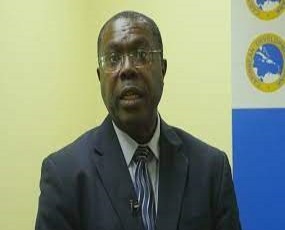
CDB’s Vice President (Operations), Isaac Solomon, told the bank’s annual news conference here that regional growth was primarily underpinned by increased energy production in Guyana and Trinidad and Tobago and higher international oil prices, fuelling much of the 20.6 percent economic growth in commodity-exporting borrowing member countries (BMCs) of the bank.
He said in the tourism-dependent countries, increases in extra-regional airlift resulted in a strong, though incomplete, recovery amid rising inflation that dampened domestic demand and moderated growth in key economic sectors. This outturn helped buoy economic growth of 4.6 percent with increased government revenues and improved fiscal positions.
Looking ahead, the CDB is projecting that in 2023 despite facing multiple challenges, BMCs’ economic performance will continue to improve over the medium term.
“While cautiously optimistic about the near-term outlook and recognizing the uncertainty regarding the war in Ukraine, it is difficult to estimate growth with a large degree of certainty.”
CDB is forecasting regional growth of 5.7 percent in 2023, anchored on the continued resuscitation of tourism arrivals and continued investments in the energy sector.
“This forecast is subject to some downside risks since most advanced economies are on track to register lower growth relative to 2022, increasing the likelihood of a global recession. When coupled with continued, albeit lower inflation, this slowdown in economic activity could trigger stagflation,” Solomon said.
He said the predicted economic growth should boost government revenues and improve fiscal outturns. In addition, some BMCs have signaled intentions to intensify consolidation efforts in 2023 to stay in line with budgetary rules suspended during the pandemic.
“Focus now needs to be on targeted social support to those most vulnerable to the cost-of-living crisis. However, a slower-than-expected economic recovery could delay implementation of economic and fiscal reforms and progress in fiscal consolidation.”
Solomon said that in 2023, the effects of tighter monetary policy in advanced economies in response to stubbornly high inflation would be felt within the region through higher interest rates on sovereign instruments, downward pressures on possibly both foreign direct investment, and inward remittance flows.
“The second-round effects of such policies can adversely affect the region’s ability to access adequate concessional development financing and to sustain progress towards attaining the Sustainable Development Goals (SDGs). The ever-present risk associated with natural hazard events will continue to loom over the region,” he added.
Solomon told reporters that last year, the average primary surplus also improved slightly from a deficit of minus 1.1 percent of gross domestic product (GDP) in 2021 to an excess of 0.2 percent and that the region’s pace of debt accumulation slowed in 2022.
“This, and higher nominal GDP, placed debt ratios on a downward trajectory,” Solomon said, noting supply-chain imbalances, high and persistent food, energy inflation, rising cost-of-living coupled with heightened concerns over food and energy security are at the forefront of development challenges.
The CDB official said access to food remains a significant concern. Food security threatens the region, especially the poor, for whom food and fuel comprise a large share of their consumption basket.
He said governments cushioned this impact, pivoting from significant pandemic-related fiscal stimuli and income support towards cost-of-living assistance.
“We welcome and support the initiative of the heads of government of CARICOM to reduce the estimated five billion US dollars regional food import bill by 25 percent by 2025. We also continue to invest in climate resilient agriculture production and marketing systems in several BMCs.”
Solomon said that CDB is financing consultancy services to help devise urgent provisional measures to re-establish regular air transport services within the Organisation of Eastern Caribbean States (OECS) and inform the establishment of a marine cargo service between Guyana, Trinidad and Tobago, Grenada, and Barbados.
He said that to reduce inflation, monetary authorities across all significant economies concurrently rolled back accommodative monetary policy to support the post-pandemic recovery. Central Banks and monetary authorities also deployed similar disinflation policies in some BMCs as they grappled with the complex policy trade-off of lowering inflation versus slowing the recovery.
Solomon said 2022 had been “a tough year” for the people of the French-speaking Caribbean Community (CARICOM) country of Haiti, who he said “continue to endure political instability and attendant insecurity.
“Of particular concern was gang-related violence, acute food, and fuel shortages, price hikes, and continued negative impacts of natural hazard events and climate change. CDB stayed close to the situation and continued its efforts to meet Haiti’s development needs.
“In addition to policy advice, our portfolio of interventions focused on education, resilient climate agriculture, disaster risk management, and climate resilience is ongoing through the Haiti Country Office.”
The CDB Vice President said that conditions in the labor market in the region were harsh for women, particularly during the coronavirus (COVID-19) pandemic.
“Data, where available, shows increased employment levels for men and women, mirroring the lifting of COVID-19 restrictions and the reopening of key economic sectors. Unemployment among the region’s youth is expected to remain elevated, underscoring that we must invest collectively in addressing this challenge.”
Solomon said that the CDB expanded support to improve the business climate among member countries, focusing on the procedures to start a business.
“The intent is to enhance these processes and increase access to the formal economy for underserved groups such as women, youth, and persons with disabilities.”








 and then