








































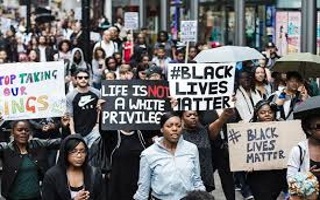
United nations: A new report by the United Nations human rights office (OHCHR) finds that little progress has been made in combating systemic racism against people of African descent.
OHCHR said more than two years since the murder of George Floyd by a police officer in the United States sparked the global Black Lives Matter movement; there’s been only “piecemeal progress” in addressing systemic racism.
While more people have been made aware of systemic racism and concrete steps have been taken in some countries, the Acting High Commissioner for Human Rights called on States to demonstrate a stronger political will to accelerate action.
“There have been some initiatives in different countries to address racism, but, for the most part, they are piecemeal,” said Nada Al-Nashif, who will present the report to the UN Human Rights Council later on Monday.
“They fall short of the comprehensive, evidence-based approaches needed to dismantle the entrenched structural, institutional and societal racism that has existed for centuries and continues to inflict deep harm today,” she added.
The Acting High Commissioner for Human Rights pointed to critical recommendations in OHCHR’s Agenda towards Transformative Change for Racial Justice and Equality.
OHCHR said the report describes international, national, and local initiatives to end the scourge of racism.
These include an Executive Order from the US White House on advancing effective, accountable policing and criminal justice practices in federal law enforcement agencies; an Anti-Racism Data Act in British Columbia, Canada; measures to evaluate ethnic profiling by police in Sweden; and census data collection to self-identify people of African descent in Argentina.
OCHR said the European Commission had issued guidance on collecting and using data based on racial or ethnic origin; formal apologies issued; memorialization; revisiting public spaces; and research to assess links to enslavement and colonialism in several countries.
The report notes that poor outcomes continue for people of African descent in many countries, notably in accessing health and adequate food, education, social protection, and justice, “while poverty, enforced disappearance and violence continues.”
It highlights “continuing…allegations of discriminatory treatment, unlawful deportations, excessive use of force, and deaths of African migrants and migrants of African descent by law enforcement officials.”
“The barometer for success must be a positive change in the lived experiences of people of African descent. States must listen to people of African descent, meaningfully involve them, and take simple steps to address their concerns.”
Where available, OCHR said recent data still points to disproportionately high death rates faced by people of African descent, at the hands of law enforcement, in different countries.
“Families of African descent continued to report the immense challenges, barriers, and protracted processes they faced in their pursuit of truth and justice for the deaths of their relatives,” the report noted, detailing seven cases of police-related deaths of people of African descent.
Al-Nashif called on states to “redouble efforts to ensure accountability and redress wherever deaths of Africans and people of African descent have occurred in law enforcement, and take measures to confront legacies that perpetuate and sustain systemic racism.”










 and then
