

GUYANA-Guyana is putting systems in place to guard against ‘Bird Flu’.
GEORGETOWN, Guyana, CMC – The Guyana government says it is implementing measures to guard against H5N1 Avian Influenza (Bird Flu) amid reports of an outbreak in neighboring Suriname.
Bird flu symptoms in chickens include sudden death, lethargy, loss of appetite, respiratory distress (coughing, sneezing, nasal discharge), swelling or purple discoloration of the comb and wattles, diarrhea, neurological signs like loss of coordination, and a sudden drop in egg production.
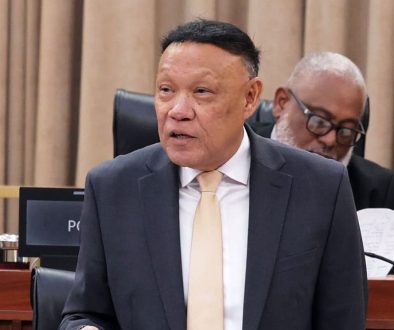
Agriculture Minister said that he was earlier this week officially informed by the World Health Organization (WHO), adding, “When I heard about the rumors, I started to put things in place; as a matter of fact, I activated a multi-stakeholder committee that is meeting very regularly, sometimes twice per week.
“We have the GLDA (Guyana Livestock Development Authority), which is, of course, taking the lead, but we have several other organizations,” Mustapha added.
The other organizations on the stakeholder committee include the Civil Defense Commission, the Guyana Police Force, the Guyana Revenue Authority, and the Poultry Producers Association.
Mustapha said authorities have since increased farm surveillance across the country, acknowledging that vessels also come across from Suriname to some unofficial sites.
We are also strengthening those areas to ensure that we don’t have any of those poultry products come across to our country,” Mustapha said, noting that there are 1,025 farms around the regions, with 24 plucking shops. Currently, there are over four million birds in Regions Four, Five and Six.
“We are monitoring it daily. In fact, I have increased extension services in the GLDA, and the NPPO Staff, plus the NAREI Staff, are also complementing the GLDA Staff.
“So, we have put an intensive mechanism in place to strengthen surveillance around the country. We are also doing a lot of random testing in various parts of the regions, so hopefully we will not have an outbreak here,” he said, adding that systems are being put in place to ensure that all farms are up to standard in their hygiene.
“I want to assure the public out there that the government has been working through the Ministry of Agriculture, through GLDA, auspiciously to ensure that we don’t have an outbreak in our country because that is a very dangerous disease and it could disseminate in our population and our poultry industry.”
He said the stakeholder committee is expected to create and distribute brochures shortly to make the public aware of the symptoms and what to look for in their birds. Mustapha said there are six tunnel-ventilated pens producing 40,000 birds every six weeks, and another 10 are expected to be established before the end of the year.
“I’m working very hard to ensure that we have maximum production of these products in the country,” he stated.
Meanwhile, the trading and distribution company Subisco International NV (Subisco) has sued the state of Suriname as it seeks release of 11,700 kilograms of frozen chicken from France.
The Ministry of Agriculture, Livestock and Fisheries (LVV) has refused the import permit because of the import ban on poultry products from Europe, which took effect on February 6, 2026, due to the threat of avian influenza.
Subisco is asking the court to force the authorities to import and release the consignment of chicken within 24 hours, or pay a penalty of SRD 20,000 (One SRD = US$ 0.02)
Subisco is also seeking a court order compelling the state to grant all necessary consents and permits for the import, customs clearance, and actual delivery of the goods. The company also requests that the state be ordered to pay the legal costs.
But the government responded that Subisco applied for a veterinary import permit on March 27 this year. Still, the LVV rejected it because, since February 6, it has not issued any veterinary import permits for poultry products from Europe and infected areas in the United States.
According to the LVV, it informed all involved importers in writing on February 5, adding that Subisco purchased and paid for the chickens on February 23, 2026, and that 17 days have passed since the ban took effect.
The state is asking the court to dismiss Subisco’s claim.
 and then