
CARIBBEAN-PAHO calls for stronger regional role in global health reforms.
BERLIN, CMC – The Pan American Health Organization (PAHO) is calling for greater involvement of countries and regional institutions in reshaping the global health system amid tightening financial resources and concerns over fragmented health services.
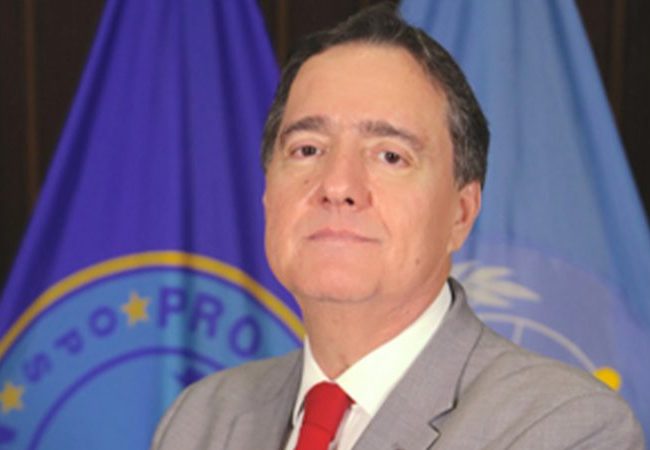
PAHO Director Dr. Jarbas Barbosa, addressing the World Health Summit 2026 in Berlin, said clearer responsibilities at national, regional and global levels could reduce duplication and improve the use of limited resources.
“As the global health architecture evolves, regional institutions must have a stronger voice in shaping decisions, not only in implementing them,” Barbosa said.
“Country ownership, regional leadership and effective partnerships are essential to building a more inclusive, responsive and sustainable global health system.”
His comments come as World Health Organization (WHO) member states and international partners review how global health cooperation is governed, financed and delivered, with recommendations expected to go before the World Health Assembly in 2027.
Barbosa highlighted PAHO’s more than 120 years of regional cooperation, citing joint procurement, primary healthcare, disease elimination and health innovation as examples of successful collaboration.
He said countries must lead their own health priorities, while regional institutions should adapt global policies to local realities and international bodies provide standards and technical guidance.
The PAHO director also stressed the importance of sustainable financing, noting that most countries in the Americas, including the Caribbean, are middle-income nations that rely heavily on domestic resources to fund healthcare.
He said better coordination of national funding, development assistance and international cooperation could help countries achieve improved health outcomes.
During the summit, Barbosa also discussed pandemic preparedness, dengue, noncommunicable diseases, mental health, artificial intelligence, and digital healthcare with international partners.
“The future of global health must be built on health sovereignty, country ownership and regional solidarity,” he said.


 and then