






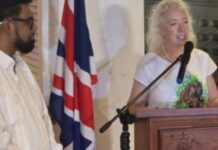
















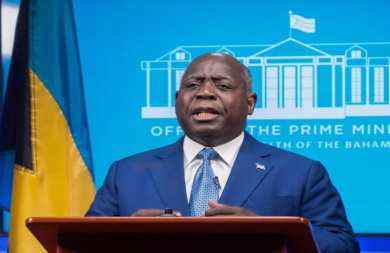
NASSAU, Bahamas, CMC – The Bahamas government says it will remove all value-added tax (VAT) on foods currently subject to a 5 percent VAT. Prime Minister Phillip Davis, in a nationwide broadcast on Monday night, said that the new measure will come into effect on April 1 this year.
“Last year, we cut VAT on food from 10 to five per cent, and tonight, I’m announcing the next step. Effective April 1st, all foods currently at 5% VAT will be VAT-free. Zero VAT on those food items.”
Prime Minister Davis said that this will apply to fresh fruits and vegetables, baby food, lunch snacks, frozen foods, and other groceries – everything except prepared meals sold hot or ready to eat.
“It is a significant step, and one we hope will really help, along with our efforts to reduce costs through energy reform, the addition of new trading partners, and more home-grown food.”
Davis said that the government is also expanding property tax relief and that owner-occupied duplexes and triplexes are now eligible for the residential exemption.
He said first-time homeowner concessions have been expanded and that “these are changes which will help more Bahamian families build wealth.
“These new policies – across education, trade, taxes, housing, food security, energy, and more – together, add up to relief and progress. We responded to times of crisis with great strength.
“Now we are using those same strengths to move forward. After all, we didn’t survive all the tragedy and hard times to settle for the status quo. The world will keep changing – but so will we, with confidence, and without leaving anyone behind,” Prime Minister Davis added.
He told the nation that in 2018, the previous government raised VAT from 7.5 to 12 per cent, which was followed by a massive 2 billion US dollar drop in local consumer spending.
“Unfortunately, that meant our families, our economy, and our fiscal situation were weaker when we faced the tragedy of Dorian, the Category 5 hurricane which followed Joaquin in 2015, Matthew in 2016, and Irma in 2017.”
He said that the Inter-American Development Bank (IDB) noted that The Bahamas sustained economic losses of US$7.7 billion over the last decade due to hurricanes.
“Then of course, there was the pandemic – and the extensive damage of the endless lockdowns, curfews, tourist visas, and emergency orders in place before we came in,” he said, resulting in a further loss of US$9.5 billion.
But he said the country has been able to overcome these economic downturns with the US-based rating agency, Standard and Poor’s (S&P), giving “us the best outlook for our country in 17 years.
“We have succeeded in removing our country from the blocklist – a critical achievement for our financial services industry. We’ve attracted more than US$10 billion in new private sector investment – including from some of the most prestigious partners in the world,” Prime Minister Davis said, noting “we are on the right track”.
“We aggressively promoted the country abroad. That’s how we got a head start on our tourism competition – and we haven’t let up since, with record investments across our islands, with public-private partnerships for those 14 expanded and new airports, with new and expanded airlift, and with innovative programmes to incentivize local partnerships.”
He said the government also paid out millions in stipends and arrears that had been on hold to nurses, teachers, and thousands of other Bahamians, while also signing 60 labour agreements and raising the minimum wage.




 and then
  on foods currently subject to a 5 percent VAT. Prime Minister Phillip Davis, in a nationwide broadcast on Monday night, said that the new measure will come into effect on April 1 this year)